October 9, 2026
Your fireplace is a central gathering place for your home, providing warmth, comfort, and ambiance during cool evenings. Behind every cozy fire is a complex system that requires careful attention and ongoing maintenance to perform safely and efficiently. Understanding how your hearth operates helps you make informed choices about home care while protecting your property from preventable hazards. Every homeowner benefits from learning the core components of their hearth system and establishing a routine care plan. Caring for this part of your residence requires specialized knowledge and proper technique. Routine upkeep prevents debris accumulation, clears obstructions, and ensures proper ventilation for harmful combustion gases. Investing time in learning about your setup pays off in peace of mind, improved heating performance, and extended structural integrity. When you take a proactive approach to home maintenance, your hearth remains a reliable source of comfort for years to come.
Understanding the Key Components of Your Fireplace System
A functioning fireplace consists of several integral parts working together to vent smoke and gases safely out of your living space. The firebox holds the wood or fuel, while the flue acts as the vertical passage directing smoke upward and outward through the roof. Above the firebox, the damper controls airflow, allowing you to open or close the passage depending on whether a fire is burning. The exterior masonry or structure shields the interior components from harsh weather elements and retains structural stability. Each component plays an essential role in keeping combustion products flowing outside rather than spilling into your living room. According to This Old House, there are three main types of chimney flues: clay tile, concrete, and metal. Each material offers distinct characteristics regarding heat tolerance, durability, and installation requirements. Understanding which type of material lines your system helps you anticipate maintenance needs and address potential wear over time. By taking time to familiarize yourself with how these distinct structural elements interact during operation, you can recognize early warning signs of wear and keep your entire heating setup performing safely year after year.
Recognizing the Signs That You Need a Chimney Sweep
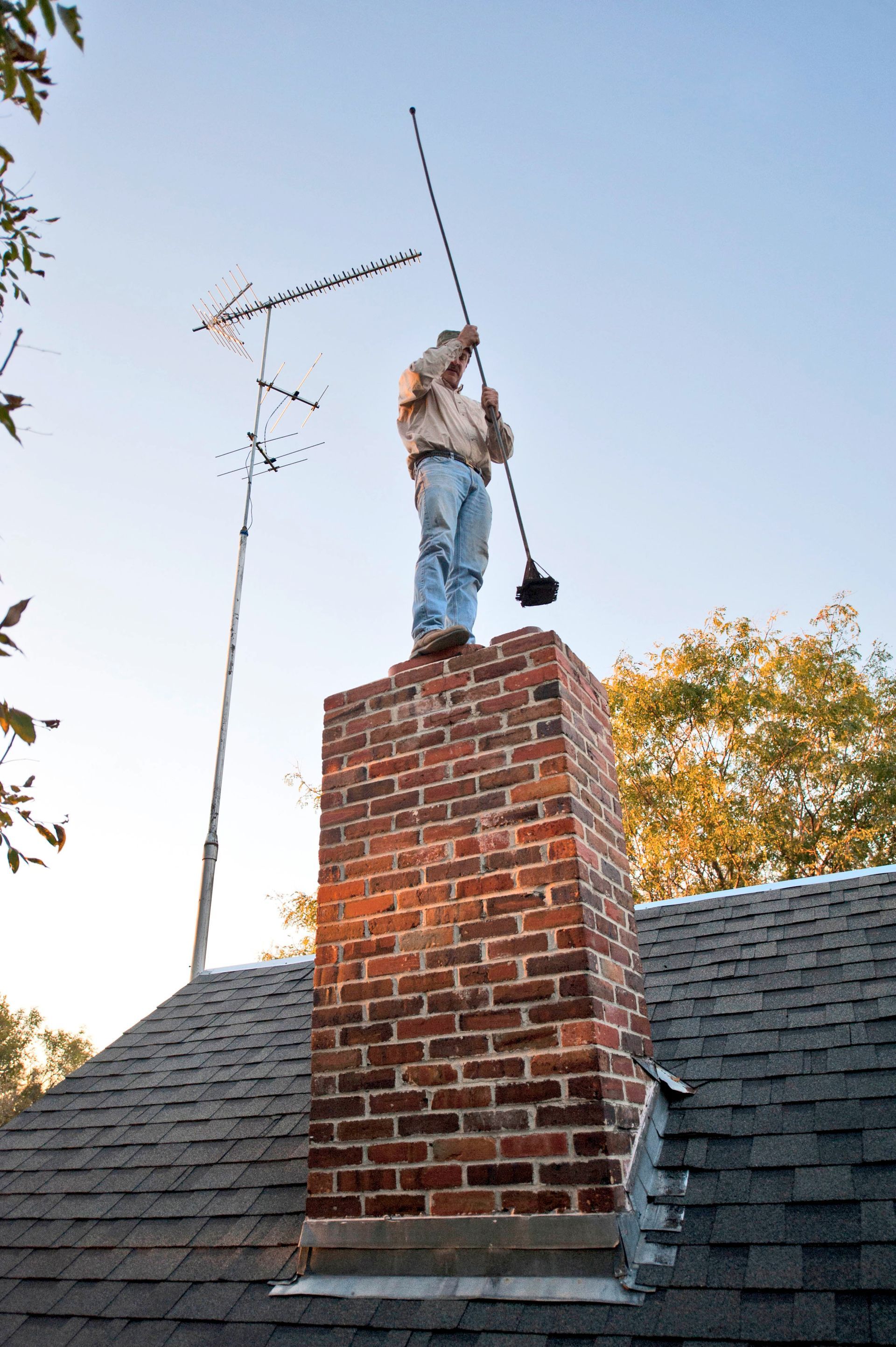
Over time, burning wood creates byproducts that accumulate inside the inner liner and alter overall airflow efficiency. One primary byproduct is creosote, a dark, flammable substance that coats the interior walls as smoke cools. As creosote builds up, it reduces the size of the venting passage and increases the risk of dangerous structural fires. Watching for specific indicators allows you to schedule professional service before minor issues become major safety hazards. You may notice sluggish draft performance, dark soot falling into the firebox, or unpleasant smoky odors when the system is idle. A qualified chimney sweep cleans away soot deposits, removes stubborn creosote layers, and restores proper draft clearance inside the flue passage. Scheduling regular cleaning sessions keeps combustion gases moving freely and keeps your hearth operating efficiently throughout the coldest months of the year. Paying close attention to subtle shifts in performance or unusual odor changes ensures that dangerous residue is systematically cleared before it compromises your indoor air quality or creates severe thermal hazards.
Identifying Common Obstructions and Ventilation Blockages
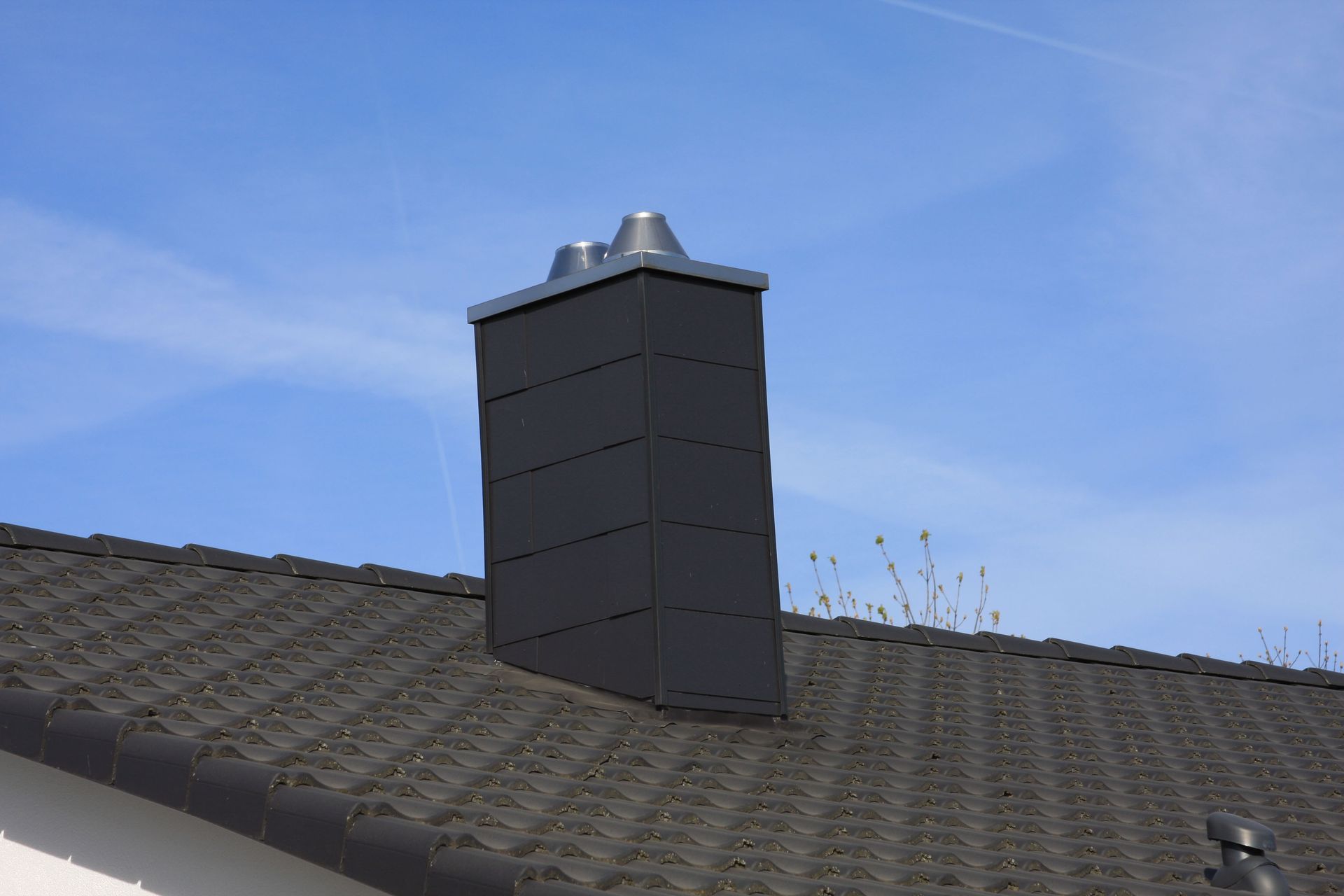
Outside elements often find their way into exposed exterior structures, creating unexpected venting problems for home heating systems. Leaves, twigs, and debris blown by autumn winds can accumulate near the top opening and restrict airflow. Small animals, including birds, squirrels, and raccoons, frequently view open flues as cozy spots to build nests during spring and summer. These blockages prevent smoke from escaping, forcing carbon monoxide and toxic fumes back into your indoor living areas. A professional chimney sweep identifies these hidden blockages quickly during a routine inspection and removes all debris safely. Installing a high-quality stainless steel cap over the flue top keeps animals and stray yard debris from entering the system while allowing smoke to exit freely. Checking for blockages before lighting your first fire of the season keeps your home safe and ensures clean combustion. Taking early protective action against wildlife intrusions and seasonal atmospheric debris safeguards your living space against unexpected smoke backup while maintaining optimal airflow during heavy fuel combustion.
Evaluating the Importance of Routine Structural Inspections
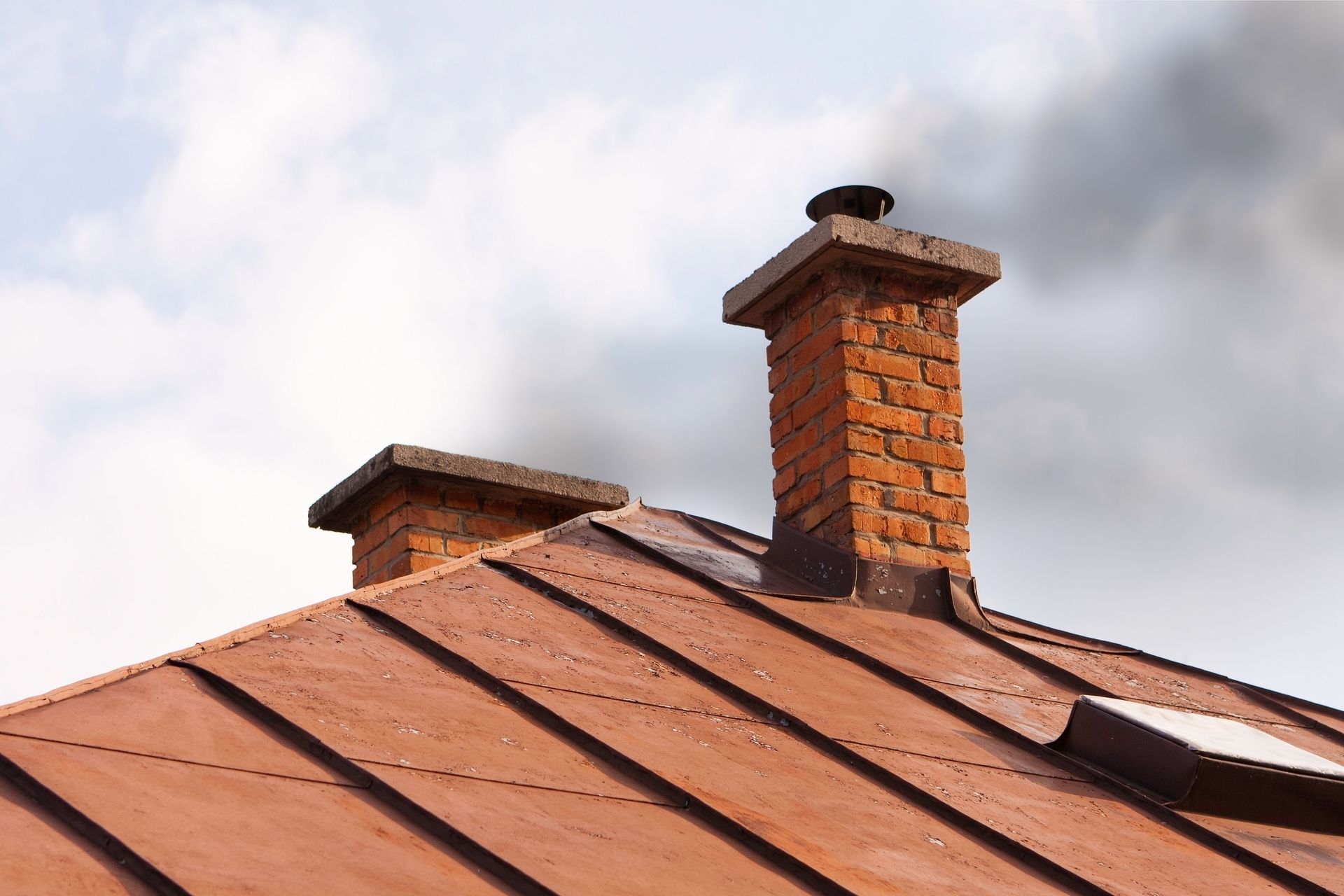
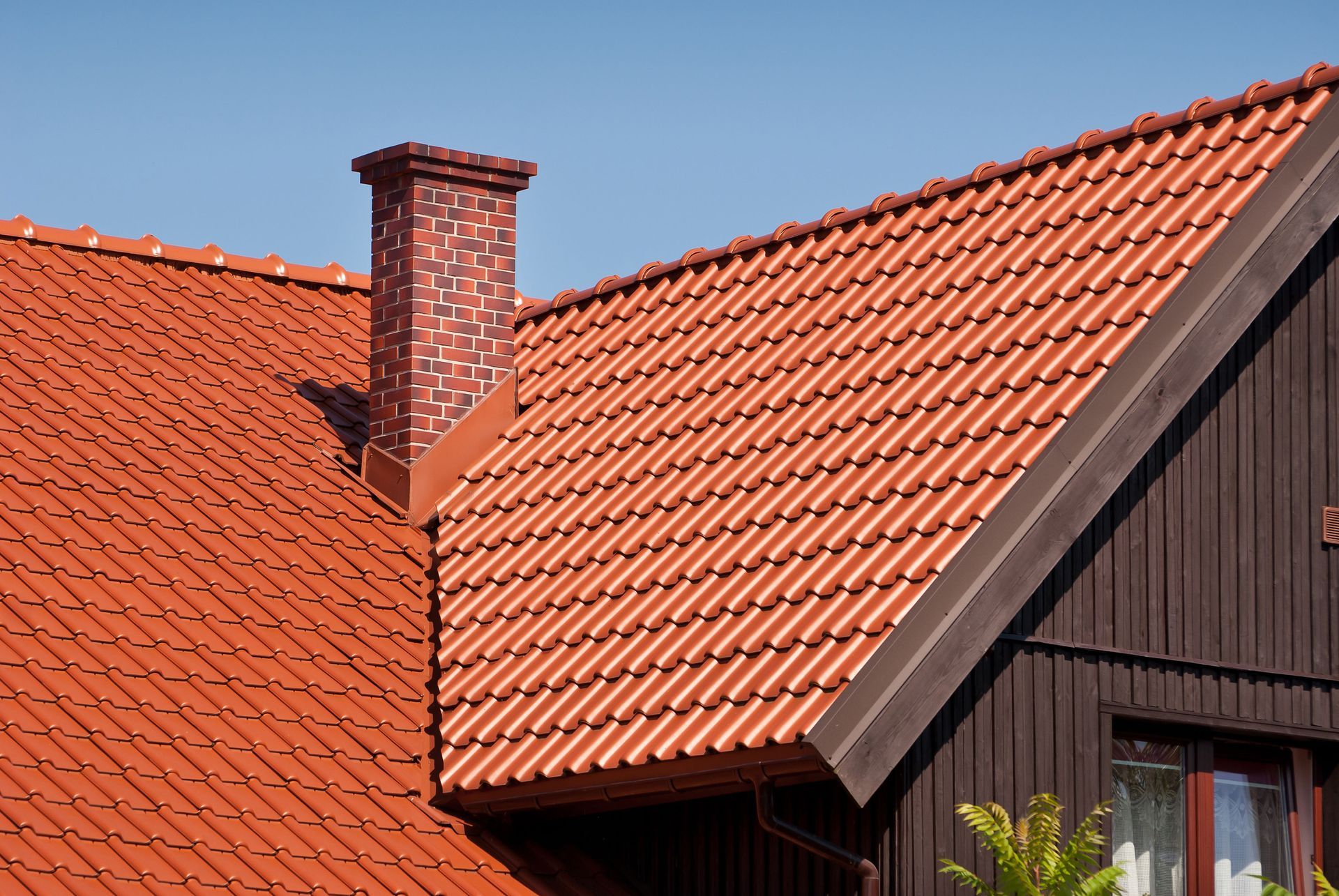
Exterior masonry endures constant exposure to rain, snow, freezing temperatures, and intense sun exposure throughout the seasons. Over time, moisture penetrates porous brickwork and mortar joints, expanding during freeze-thaw cycles and causing cracks or spalling. Structural damage to the upper stack can compromise internal liners and allow water to leak into nearby attic spaces or interior walls. Regular inspections allow specialists to discover minor masonry cracks and flashing deterioration before water intrusion causes extensive repairs. A seasoned chimney sweep carefully evaluates the crown, exterior masonry, flashing, and interior lining to ensure every section remains structurally sound. Catching minor cracks early prevents expensive repairs down the road and preserves the overall stability of your home structure. Maintaining structural integrity protects your investment and ensures your heating appliance operates safely every winter. Scheduling comprehensive evaluations allows skilled technicians to pinpoint microscopic masonry fractures and failing seals before harsh seasonal moisture can create extensive structural deterioration within your dwelling.
Preparing Your Hearth for the Cold Winter Season
Taking steps to prepare your heating system before winter arrives prevents unexpected operational problems when cold weather strikes. Start by clearing out old ashes from the firebox floor, leaving a shallow layer to help kindle future fires evenly. Inspect the damper mechanism to confirm it opens smoothly and seals tightly when you finish burning wood. Check surrounding hearth areas to ensure clear space around the firebox, keeping flammable items away from heat sources. Hiring a skilled chimney sweep guarantees your flue passage receives thorough cleaning and detailed evaluation before heavy seasonal use begins. Proper seasonal preparation lowers heating costs by maximizing burning efficiency and reducing unnecessary smoke spillage inside your residence. Taking care of necessary maintenance tasks early leaves you ready to enjoy cozy, warm fires as soon as freezing weather arrives. Completing thorough pre-season operational checks ensures every single mechanical and structural component operates smoothly, providing your household with reliable warmth and comfort during the coldest weeks of the year.
Establishing a Consistent Annual Maintenance Schedule
Consistency plays a critical role in preserving the performance and longevity of your home heating setup. Leading industry organizations recommend scheduling professional inspections and cleanings at least once every year, typically before the main heating season starts. Regular servicing prevents heavy creosote accumulation, identifies minor structural wear early, and guarantees proper ventilation for safe operation. Relying on an experienced
chimney sweep ensures that subtle warning signs receive immediate attention before turning into costly emergency repairs. Documenting your maintenance schedule helps keep your property in peak condition and provides valuable records if you decide to sell your home in the future. Annual care gives you total confidence whenever you strike a match to light a relaxing fire for family and friends. Committing to a predictable yearly evaluation plan eliminates guesswork, prolongs the overall service life of your heating equipment, and delivers complete confidence every time you spark a fire.
Taking proactive steps to care for your hearth ensures safe, efficient, and enjoyable heating performance throughout every winter season. With 25 years of experience, Mr. Chimney, Inc. Chimney Ninja proudly serves homeowners by providing reliable care, detailed inspections, and free same-day estimates throughout the entire state of Rhode Island. Contact us today to schedule your service or request your free same-day estimate for your home heating system!